Fleet Electrification: 5 Expensive Mistakes UK Businesses Make
The most common pitfalls that cost companies thousands when switching to electric vehicles, and how to avoid them.
7 min read
UK guide · London & Essex focus
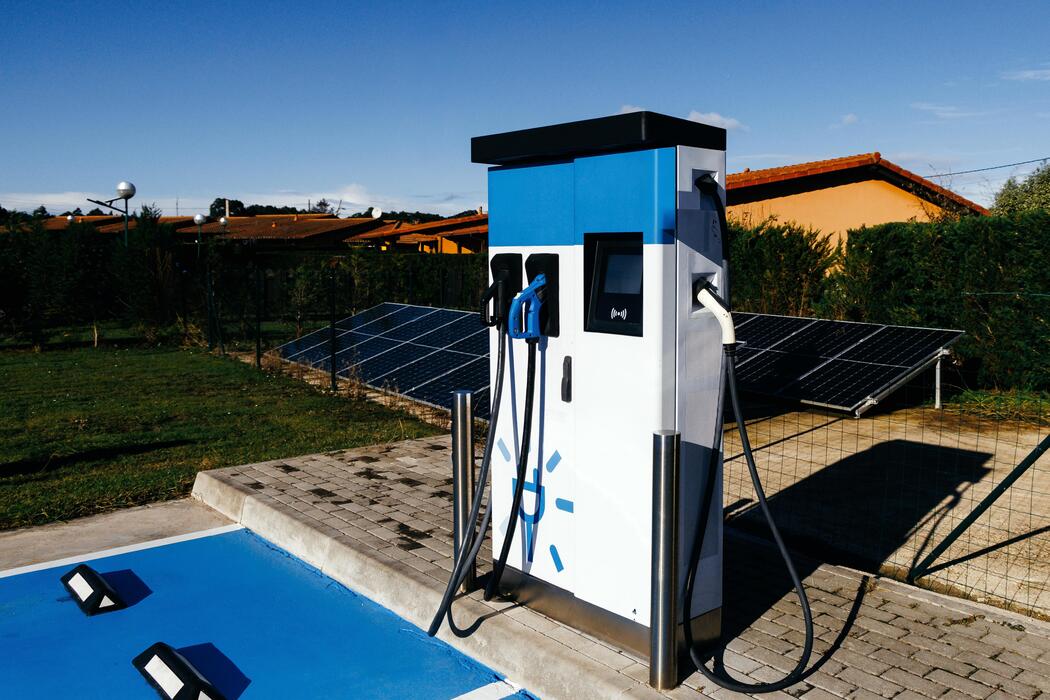
Fleet electrification isn’t optional anymore. The 2030 ban on new petrol and diesel vehicles is coming whether you’re ready or not. But rushing into EVs without a proper plan costs businesses serious money, we’re talking tens of thousands wasted on the wrong chargers, undersized infrastructure, or vehicles that don’t match actual usage patterns.
Over the past three years, we’ve installed charging infrastructure for commercial fleets across London and Essex. The companies that get it right save money from day one. The ones that don’t end up calling us to fix expensive mistakes that could have been avoided with proper planning.
Here are the five costliest errors we see, and what to do instead.
1. Installing Chargers Before You Know Your Actual Power Supply
This is the big one. A fleet manager decides they need ten 22kW chargers, orders the hardware, then discovers their site only has a 100A three-phase supply. The maths doesn’t work. Either the chargers share available power and charge slowly, or you’re looking at a five-figure DNO upgrade.
We’ve seen this play out on industrial estates around the A12 and in Romford town centre car parks. The existing supply was installed for lighting and office equipment, not simultaneous vehicle charging. Adding ten charge points can require anything from a new substation to upgraded cables from the street, costs that weren’t in anyone’s budget.
The fix: Get a proper electrical survey before you order a single charger. We measure your existing supply, calculate your base load, work out diversity factors, and tell you exactly what capacity you have. Sometimes you can add load management systems and work within existing limits. Sometimes you need a DNO application for more power. Either way, you know the real cost upfront.
A distribution network operator (DNO) upgrade can take six to twelve months and cost £15,000 to £50,000 depending on how far you are from the nearest substation. That’s money you need to factor in before you sign any vehicle leases.
2. Buying Vehicles That Don’t Match Your Actual Duty Cycles
Someone reads that a particular EV van has a 200-mile range and assumes that’s fine for their delivery routes. Except that’s summer range, on flat roads, with no payload. Add winter temperatures, a full load, and stop-start urban driving, and you’re looking at 120 miles on a good day.
We worked with a logistics company in Walthamstow whose new electric vans were coming back with 10% battery after eight-hour shifts. Drivers were anxious, routes were being shortened, and the whole fleet transition was in jeopardy. The vehicles weren’t wrong, the spec was.
The fix: Track your current fleet properly before you switch. Actual daily mileage, not estimated. Payload weights. Idle time. Heating and cooling loads. Then spec vehicles with at least 30% margin over your worst-case day.
For many London and Essex routes, the Victorian terraces of E17, the trading estates around Barking, the retail parks in Chelmsford, you’re looking at 60 to 100 miles per vehicle per day. A van with 150 miles real-world range gives you breathing room. One with 120 miles leaves you sweating every winter morning.
3. Ignoring Charge Point Management Systems
Ten chargers, ten cables, no management system. Drivers plug in whenever they arrive back. By 6pm, you’re pulling 220kW and tripping breakers. Or you’ve blown past your agreed import capacity and the DNO is sending you a very expensive letter about exceeding your connection terms.
This happens constantly with businesses that think of charge points as individual pieces of kit rather than a managed system. You wouldn’t run a building’s heating without controls, same principle applies here.
The fix: Install a proper charge management system from day one. Dynamic load balancing monitors your site’s total consumption and adjusts charging power in real time. If your base load spikes during the day, charging slows down. Overnight when the building’s quiet, it ramps back up.
These systems cost £2,000 to £5,000 depending on scale, but they prevent demand charges that can add £500+ per month to your electricity bill. They also let you prioritise vehicles, the van that goes out at 6am gets charged first, the one that sits until 10am can wait.
Load Management Matters
A 100A three-phase supply gives you roughly 69kW of continuous power. Ten 7kW chargers would theoretically need 70kW. With a management system applying a 0.7 diversity factor, you stay within limits. Without it, you’re tripping breakers or paying for a supply upgrade you didn’t need.
4. Choosing the Wrong Charger Speeds
Fast chargers everywhere because someone read that 50kW is better than 7kW. Except your vans sit on site for twelve hours overnight. You don’t need fast charging, you need reliable overnight charging that doesn’t stress the batteries or cost a fortune in demand charges.
Rapid chargers have their place: depot vehicles that turn around quickly, pool cars with unpredictable usage, emergency top-ups. But a fleet that parks overnight from 6pm to 6am? 7kW chargers do the job at a fraction of the installation and running cost.
The fix: Match charger speed to dwell time. Overnight parking: 7kW is fine for most vans and cars. Daytime turnover (taxis, pool vehicles): 22kW makes sense. Genuine rapid charging needs: 50kW+ DC chargers, but only where you’ve got the power supply and the business case to justify £25,000+ per unit installed.
We installed a mix at a courier depot in Woodford, 7kW for the main fleet, two 22kW units for the vehicles that do split shifts, one 50kW for emergencies. Total cost was half what an all-rapid setup would have been, and it works better for their actual usage.
5. Forgetting About Ongoing Maintenance and Compliance
Chargers go in, everyone’s happy, then two years later a cable’s damaged and no one knows who’s responsible for fixing it. Or you’re applying for OZEV grant funding and discover your installation wasn’t properly certified. Or the annual electrical inspection flags issues that should have been caught during commissioning.
Commercial EV infrastructure isn’t fit-and-forget. Cables get run over, connectors wear out, software needs updating, and electrical regulations require periodic inspection and testing.
The fix: Set up a maintenance contract when you install. We provide annual inspections covering the chargers, the distribution boards, the earthing systems, everything that matters for safe operation and compliance. It’s typically £150 to £300 per charger per year, and it means problems get caught before they become expensive failures.
You also need proper certification. NICEIC installation certificates, OZEV compliance if you’re claiming grants, building control sign-off if you’ve done significant electrical work. Missing paperwork costs you when you try to claim capital allowances or sell the property.
Getting Fleet Electrification Right
The businesses that succeed with fleet electrification treat it as an infrastructure project, not a vehicle swap. They start with proper electrical surveys, spec vehicles based on real data, install management systems from day one, choose appropriate charger speeds, and plan for ongoing maintenance.
The ones that struggle treat it like buying a new van, pick a model, plug it in, hope for the best. That approach worked when you had a diesel tank and a fuel card. It doesn’t work with EVs.
| Mistake | Typical Cost | Prevention |
|---|---|---|
| Wrong power supply | £15,000, £50,000 DNO upgrade | Electrical survey before ordering |
| Undersized vehicles | £3,000, £5,000 per vehicle swap | Track real duty cycles first |
| No load management | £500+ monthly demand charges | Install CPMS from day one |
| Wrong charger speeds | £10,000+ wasted on unnecessary rapids | Match speed to dwell time |
| No maintenance plan | £2,000+ emergency repairs | Annual service contracts |
Most London and Essex businesses operate mixed fleets, some vehicles do 200 miles a day, others do 30. Some park for twelve hours, others turn around in two. Cookie-cutter solutions don’t work. You need infrastructure designed for your actual operation, installed by people who understand both the electrical side and the fleet management side.
Bottom line: Fleet electrification done properly costs less than fleet electrification done badly. The upfront planning, electrical surveys, usage analysis, proper system design, saves you multiples of its cost by avoiding expensive fixes later. The 2030 deadline is fixed. The only question is whether you’re going to do this once, properly, or twice because you rushed the first attempt.
Need help with this in London or Essex?
Stern MEB is an OZEV-approved, NICEIC-certified electrical contractor based in Woodford Green. We cover home, workplace and commercial electrical work across London and Essex.
Planning Your Fleet Transition?
We design and install EV charging infrastructure for commercial fleets across London and Essex, from electrical surveys to ongoing maintenance.
- Free site survey
- Fixed-price quote
- NICEIC certificate
- 12-month warranty
Book a free site survey
London & Essex · same working day response