Tethered vs Untethered EV Chargers: Which Should You Choose?
A practical breakdown of cable-attached and socket-only chargers to help you pick the right setup for your property.
7 min read
UK guide · London & Essex focus
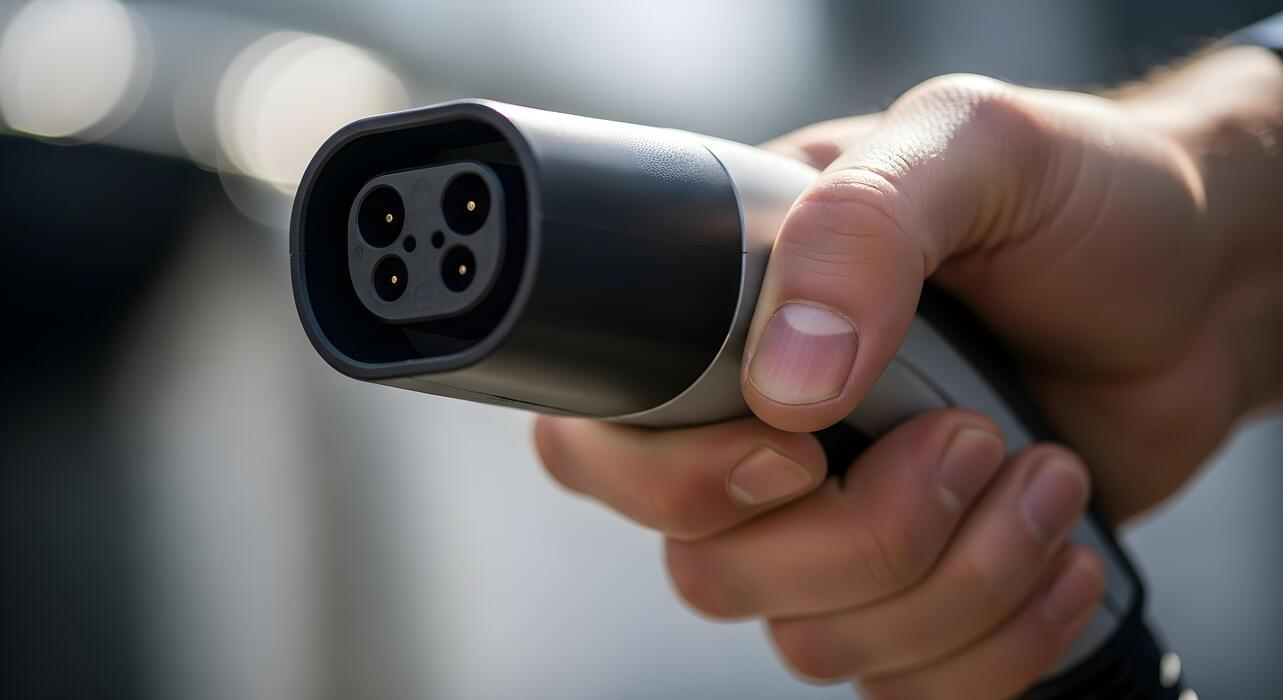
Walk into any car park in Woodford Green or Stratford and you’ll see both types: chargers with cables permanently attached (tethered) and those with just a socket where you plug in your own cable (untethered). Both do the same job. The difference is how you use them day-to-day and who pays for what.
We’ve installed hundreds of each across London and Essex, domestic driveways in Chigwell, commercial car parks in Romford, fleet depots out near the M25. The choice isn’t about which is “better”. It’s about matching the hardware to how the charger will actually be used.
What Tethered and Untethered Actually Mean
A tethered charger has the charging cable fixed to the unit. You drive up, grab the cable, plug into your car. When you’re done, you hang it back on the holster. The cable is always there.
An untethered charger is just a wall box with a Type 2 socket. You bring your own cable, plug one end into the charger, the other into your car. When you finish, you unplug both ends and take the cable with you, usually into the boot.
Most 7kW home chargers come in both formats. Commercial units (22kW three-phase) are more often untethered because they serve multiple vehicle types and the cables get nicked if left out overnight on public sites.
Tethered Chargers: Convenience at a Price
The main appeal is speed. You pull up, plug in, done. No rummaging in the boot for a cable. No coiling it back up in the rain. For a domestic driveway or a small office car park with allocated bays, that convenience is worth having.
Tethered units cost £50 to £100 more than the untethered equivalent because the cable is included and rated for outdoor use over years of UV exposure and temperature swings. A decent tethered 7kW charger with a 5-metre cable runs around £600 to £800 before installation. The cable alone, if you bought it separately, would be £150 to £200 for a proper Type 2 charging cable rated to 32A.
The downside is flexibility. If you’ve got a tethered unit with a Type 2 cable and you buy a vehicle with a different connector (unlikely now, but older Leafs used Type 1), you can’t charge it. More realistically, if the cable gets damaged, run over, chewed by foxes, vandalism, you’re looking at a replacement cost of £150 to £250 plus a callout to swap it. Some manufacturers void warranty if you fit a third-party cable.
Cable Length Matters
Most tethered units come with 5-metre cables. That’s fine for a single driveway bay. If your charge point is mounted away from the parking spot, say, on the house wall with the car nose-in on a shared drive, measure it. A 7.5-metre cable costs more and adds weight to the holster, but it’s cheaper than finding out at 11pm that you can’t reach.
Untethered Chargers: Lower Cost, More Faff
An untethered unit is cheaper upfront because you’re not paying for the cable. A basic OZEV-approved 7kW socket charger starts around £500. You then buy your own Type 2 cable, budget £120 to £180 for a 5-metre cable from a reputable brand. Total outlay is similar to tethered, but you own the cable separately.
The advantage is flexibility. If you’ve got two EVs with different connectors, you bring the right cable. If the cable fails, you replace it yourself for £120 instead of calling us out. And if you’re charging at multiple locations, home, work, a relative’s house, you carry one cable that works everywhere.
The disadvantage is the extra step. Every time you charge, you fetch the cable, plug both ends, unplug both ends, coil it, stow it. In January at 6am when you’re late for a site visit in Chelmsford, that gets old. Cables left on the ground get dirty. Cables left in the boot take up space. It’s not a deal-breaker, but it’s a daily friction point.
Untethered makes more sense for commercial installs where multiple users share the charger. A fleet depot with five vans might have two untethered charge points. Each driver brings their own cable, plugs in overnight, takes the cable with them in the morning. No arguments over whose cable is whose, no theft risk, and if a cable breaks the driver replaces it without involving facilities.
Vandalism, Theft and Wear
Tethered cables get stolen. Not often on a domestic driveway in Loughton, but it happens. On street-facing commercial sites, retail parks, hotel car parks, anywhere with public access, a tethered cable is a £200 lump of copper and plastic left hanging on a wall. We’ve had clients in Ilford and Barking lose cables within a month of install.
Some tethered units have locking holsters that secure the cable when not in use. Helps, but it’s not foolproof. A determined thief with bolt cutters will have it off in 30 seconds. Untethered units don’t have this problem because there’s nothing to steal, just a socket with a weatherproof flap.
Wear is the other factor. Tethered cables live outside 24/7. UV degrades the sheath over time. Connectors get grit in them. Holsters crack in frost. A well-made cable should last five to seven years, but cheaper units start to perish after three. Replacement cables are expensive and some manufacturers don’t sell them separately, you end up scrapping a perfectly good charger because the cable’s toast.
Untethered cables live in your boot. They get less UV exposure, less temperature cycling, and you can inspect them every time you use them. If the sheath splits, you buy a new cable for £120 and the charger itself is untouched. Over a ten-year lifespan, that can save £200 to £300 in replacement costs.
Workplace and Multi-Tenancy Considerations
If you’re installing chargers for staff or tenants, untethered is usually the better call. Reason: it forces users to bring their own cable, which means they take responsibility for it. No disputes over who left the connector on the ground, who drove over it, who didn’t coil it properly.
We’ve done a lot of installs in commercial car parks around Walthamstow and Leyton, new-build offices, converted warehouses, light industrial units. Almost all specify untethered because the facilities manager doesn’t want to be chasing up damaged cables or fielding complaints that the tethered cable won’t reach someone’s Kia parked at a weird angle.
For visitor charging or public-facing sites, tethered is more user-friendly. A customer pulling into a hotel car park in Brentwood doesn’t want to faff about with their own cable. They want to plug in, grab their overnight bag, and go. Tethered units improve the experience, even if they cost more to maintain.
Grant Eligibility
Both tethered and untethered chargers qualify for the OZEV grant (now up to £350 for home installs in flats and rentals, more for workplace schemes). The grant applies to the charger itself, not the cable, so there’s no financial advantage either way. Check current OZEV rules before committing, the scheme changes every year or so.
Installation Differences (Spoiler: None)
From our side, there’s no difference. Both mount the same way, need the same 32A dedicated circuit from your consumer unit, same earthing and RCD protection. Cable routing, trunking, final connection, identical. A tethered unit might need a slightly beefier wall bracket because of the cable weight, but that’s it.
Installation time is the same: two to four hours for a straightforward domestic job, longer if we’re running new cables through three floors of a Victorian terrace in Wanstead or upgrading an old fuse box that can’t handle the load. The tethered vs untethered question doesn’t move the needle on cost or complexity.
Which One Should You Actually Pick?
Here’s how we’d break it down:
Go tethered if:
- You’ve got one EV and you’ll use the same charger every day.
- The charger is on your private driveway or in a secure car park.
- You value convenience over cost, you don’t want to handle cables in the rain.
- You’re installing for visitors or customers who won’t have their own cables.
Go untethered if:
- You’ve got multiple EVs or you might change vehicles in the next few years.
- The charger is in a public or semi-public location where theft is a risk.
- You’re installing for a workplace or multi-tenancy setup where users bring their own kit.
- You want to minimise long-term replacement costs.
If you’re still not sure, think about how you’ll actually use it. If the charger is on your house wall and your car parks two feet away every night, tethered makes life easier. If the charger is shared, exposed, or you’re charging at multiple locations, untethered gives you more control.
Bottom line: Tethered is grab-and-go simplicity; untethered is lower cost and more flexibility. Neither is wrong. We install both every week across London and Essex, and the right choice depends on your site, your vehicles, and whether you’d rather spend an extra £100 now or handle a cable twice a day for the next five years. If you’re still weighing it up, we can talk through your specific setup and recommend what we’d fit if it were our own driveway.
Need help with this in London or Essex?
Stern MEB is an OZEV-approved, NICEIC-certified electrical contractor based in Woodford Green. We cover home, workplace and commercial electrical work across London and Essex.
Need an EV Charger Installed?
We're OZEV-approved installers covering London and Essex, call us and we'll spec the right charger for your property.
- Free site survey
- Fixed-price quote
- NICEIC certificate
- 12-month warranty
Book a free site survey
London & Essex · same working day response